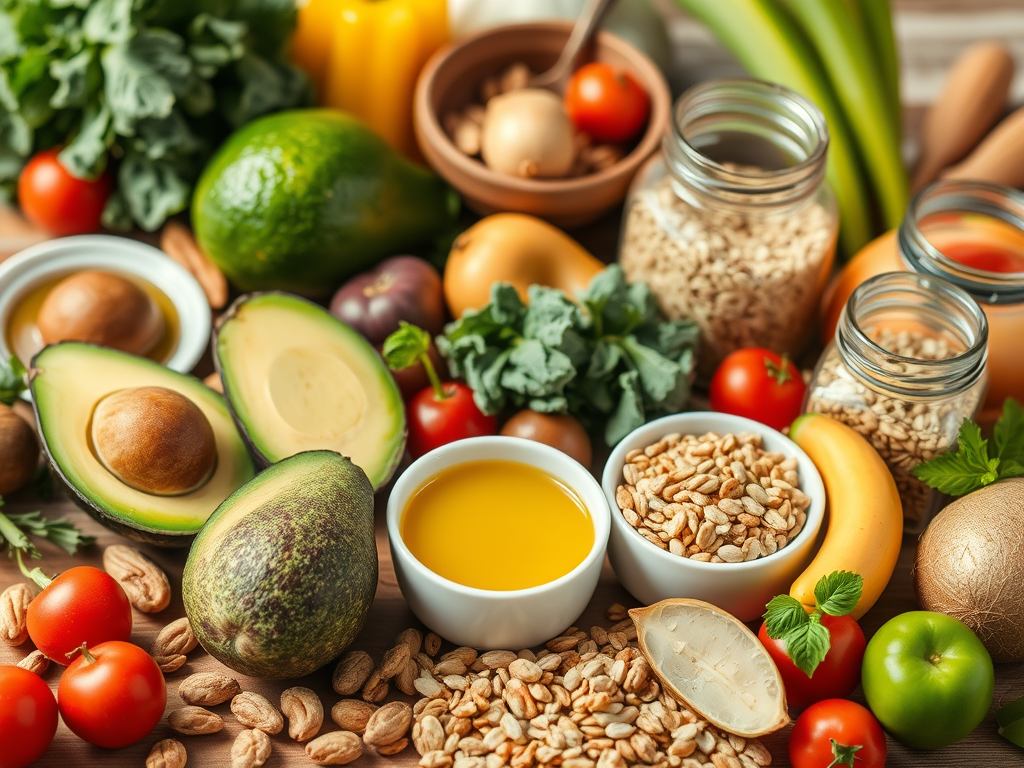
In today’s fast-paced, ultra-processed food culture, we often forget a simple truth: quality matters more than quantity.
Whether it’s fats, fiber, or grains — the principle is the same. The same rule applies everywhere: choose wisely, eat balanced.
🧈 Good Fats vs Bad Fats
Not all fats are harmful. The impact depends on the type consumed.
❌ Unhealthy Fats
1️⃣ Trans Fats – Completely Avoid
These are artificially created fats formed during hydrogenation to extend shelf life.
Common sources:
1-Margarine
2-Shortening
3-Fried fast foods
4-Packaged bakery products
5-Processed snacks
Health effects:
-Increase LDL (bad cholesterol)
-Decrease HDL (good cholesterol)
-Increase inflammation
-Raise risk of heart disease, stroke, and type 2 diabetes
Due to serious health risks, countries like the United States have banned artificial trans fats.
👉 There is no safe level. Avoid entirely.
And the principle? Choose quality over convenience.
2️⃣ Saturated Fats – Limit Intake
Found naturally in:
1-Butter and ghee
2-Fatty meats
3-Full-fat dairy
4-Coconut oil
5-Palm oil
Excess intake may:
1-Raise LDL cholesterol
2-Increase risk of heart disease
3-Contribute to insulin resistance
While research continues to evolve, most experts recommend keeping intake below 10% of daily calories.
👉 Moderation is key.
Balance matters.
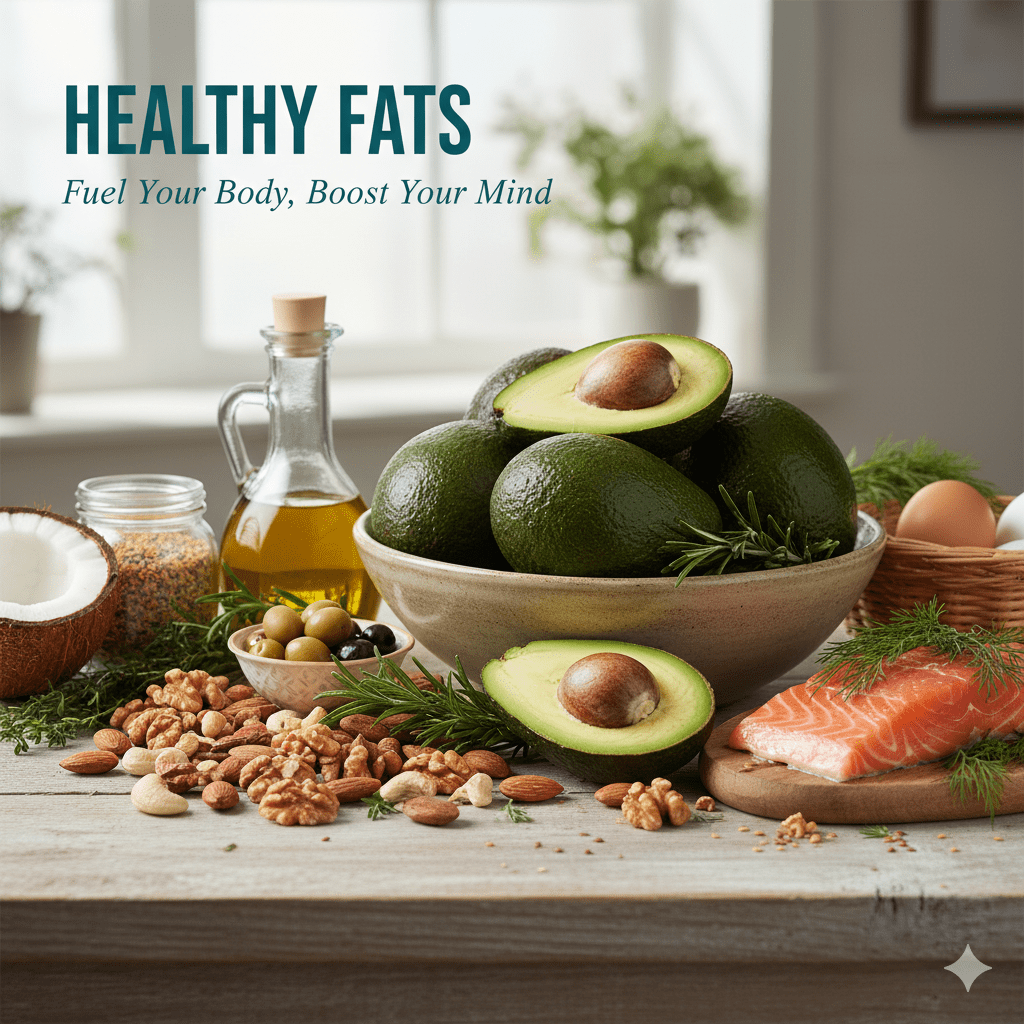
✅ Healthy Fats
Monounsaturated Fats (MUFA)
Found in:
1-Olive oil
2-Avocados
3-Almonds
4-Peanuts
5-Canola oil
Benefits:
-Improve cholesterol balance
-Support heart health
-Reduce cardiovascular risk
Polyunsaturated Fats (PUFA)
These include essential fatty acids your body cannot produce.
Omega-3 Sources:
-Fatty fish (salmon, sardines)
-Walnuts
-Flaxseeds
-Chia seeds
Benefits:
-Reduce inflammation
-Lower triglycerides
-Support brain and heart function
-Omega-6 Sources:
-Sunflower oil
-Corn oil
-Soybean oil
-Seeds
Balance between omega-3 and omega-6 is important.
✔ All fats provide 9 calories per gram. Even healthy fats require portion control.
🌾 Importance of Fiber
Fiber is a non-digestible carbohydrate that plays a crucial role in digestive and metabolic health.
Recommended 25–35 grams daily.
Types of Fiber
🟢 Soluble Fiber
Found in:
1-Oats
2-Beans
3-Fruits
Benefits:
-Lowers cholesterol
-Controls blood sugar
-Supports heart health
🟤 Insoluble Fiber
Found in:
-Whole grains
-Vegetables
-Nuts
Benefits:
-Prevents constipation
-Improves bowel movement
-Adequate fiber:
-Supports gut bacteria
-Increases satiety
-Helps manage weight
Reduces risk of diabetes and heart disease
👉 Whether it’s fats or fiber, the rule stays the same: balance and quality.
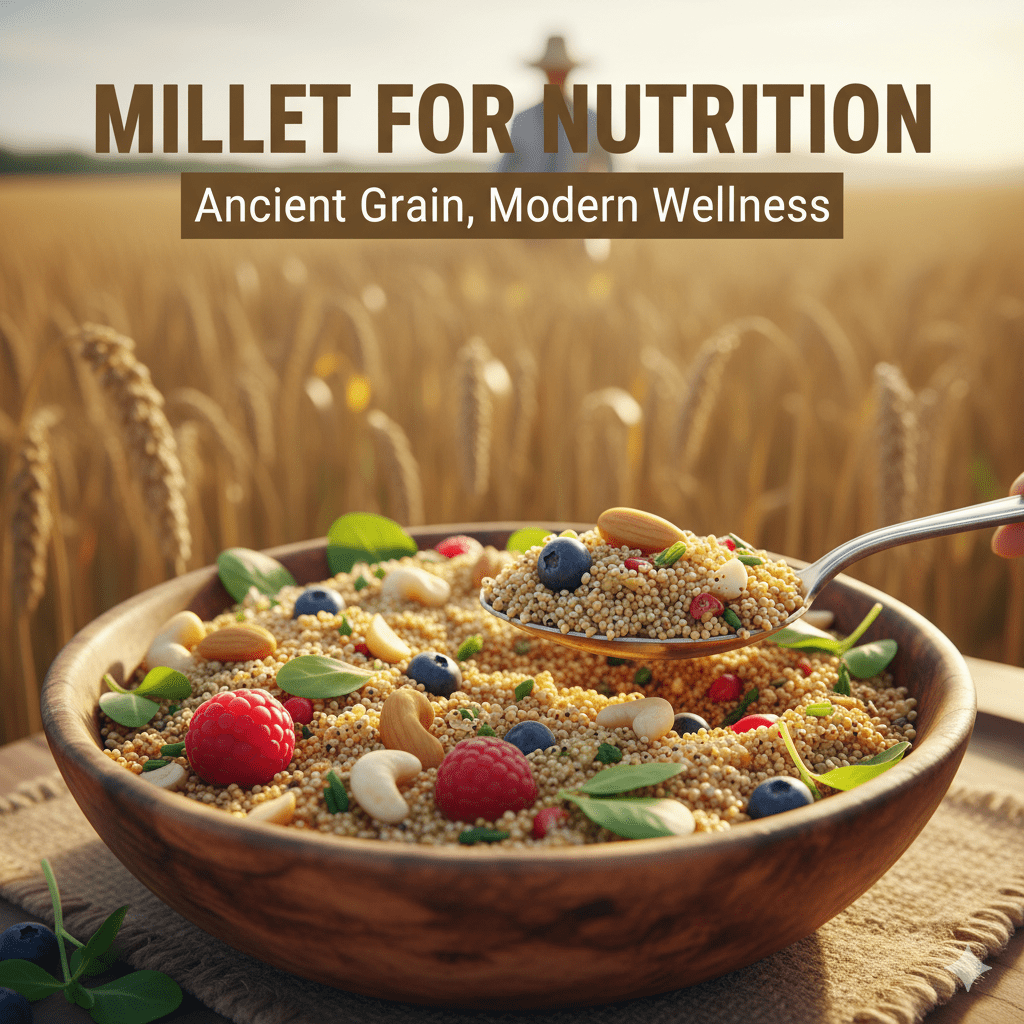
🌾 Millets: Nutri-Cereals from Ancient Civilizations
Millets are ancient small-seeded grains grown in Asia and Africa since the time of the Indus Valley Civilization. They are mentioned in classical texts like the Charaka Samhita and the Garuda Purana.
They are called Nutri-cereals because of their rich nutritional profile.
Nutritional Highlights (Per 100g approx.)
1-Carbohydrates: 65–75%
2-Protein: 7–12%
3-Fat: 2–8%
4-Fiber: 8–15%
Rich in calcium, iron, zinc, phosphorus & B-vitamins
Special Mentions:
🌾 Finger Millet (Ragi)
-Extremely high in calcium (~300–350 mg)
-Supports bone health
🌾 Pearl Millet (Bajra)
-High in iron (5–6.5 mg)
-Supports heart and metabolic health
🌾 Foxtail & Little Millet
-High fiber
-Low glycemic index
-Good for blood sugar control
Why Millets Matter Today
Millets:
-Improve blood sugar regulation
-Reduce insulin resistance
-Support gut microbiota
-Promote satiety
-Help prevent lifestyle disorders
Traditional Indian diets included whole grains, cold-pressed oils, seasonal vegetables, and fermented foods — naturally balanced, fiber-rich, and minimally processed.
Modern processed foods replaced them — and lifestyle diseases increased.
The lesson?
Return to traditional wisdom. Choose whole foods. Eat balanced fats. Increase fiber. Include millets.
🌿 Final Message
✔ Avoid trans fats
✔ Limit saturated fats
✔ Include healthy fats in moderation
✔ Consume 25–35g fiber daily
✔ Bring back millets and traditional foods
Balanced eating rooted in ancient wisdom protects long-term health.
 NUTRITIOUS_PHONICS
Leave a comment