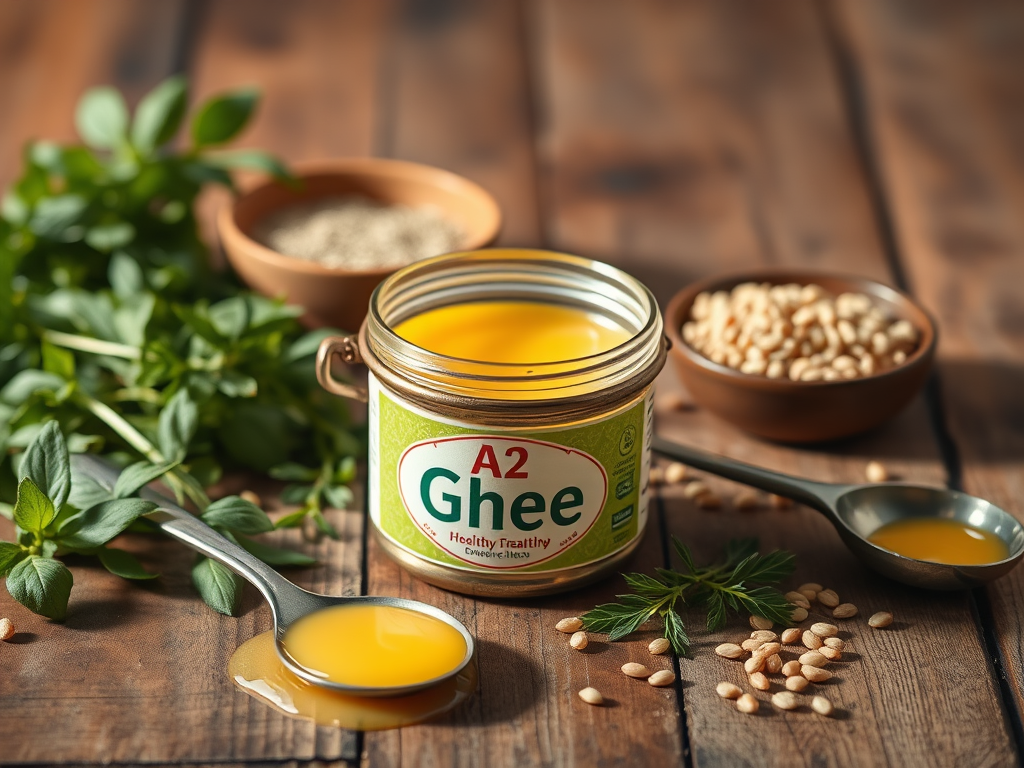
A2 ghee is becoming increasingly popular in India and worldwide for its potential health benefits. Made from the milk of indigenous cow breeds like Gir and Sahiwal, A2 ghee is often considered a healthier alternative to refined oils and processed fats. But does A2 ghee really improve heart health? Let’s explore the science-backed benefits, nutritional profile, and how to use it wisely.
What is A2 Ghee?
A2 ghee is clarified butter prepared from A2 milk, which contains A2 beta-casein protein instead of A1 protein found in many hybrid cow breeds. While ghee contains very minimal protein, A2 ghee is valued for its purity, traditional preparation methods (bilona method), and nutrient richness.
It is free from:
1-Lactose
2-Casein (almost negligible)
3-Preservatives and additives
This makes A2 ghee easy to digest and suitable for many individuals with mild dairy sensitivities.
Nutritional Profile of A2 Ghee
A2 ghee is rich in:
1-Healthy fats (MUFA & small amounts of PUFA)
2-Short-chain fatty acids (SCFAs) like butyric acid
3-Conjugated Linoleic Acid (CLA)
4-Fat-soluble vitamins A, D, E, and K
5-Antioxidants
These nutrients play an important role in supporting overall cardiovascular health.
How A2 Ghee Helps Improve Heart Health
Supports Good Cholesterol (HDL)
Moderate consumption of A2 ghee may help increase HDL (good cholesterol) levels. HDL helps remove excess LDL (bad cholesterol) from the bloodstream, reducing plaque buildup in arteries.
Reduces Inflammation
Chronic inflammation is a major risk factor for heart disease. A2 ghee contains butyric acid, which has anti-inflammatory properties. Reduced inflammation supports:
1-Healthy blood vessels
2-Better circulation
3-Lower risk of atherosclerosis
Rich in Conjugated Linoleic Acid (CLA)
CLA is known for:
1-Supporting fat metabolism
2-Reducing oxidative stress
3-Promoting healthy lipid levels
4-Lower oxidative stress means less damage to blood vessels and reduced risk of heart-related complications.
Improves Digestion and Nutrient Absorption
A healthy gut contributes to better heart health. A2 ghee:
1-Enhances digestion
2-Strengthens gut lining
3-Improves absorption of vitamins like Vitamin K2
Vitamin K2 helps prevent calcium deposition in arteries, reducing the risk of arterial stiffness.
High Smoke Point – Heart-Friendly Cooking Fat
Unlike refined oils that oxidize at high temperatures, A2 ghee has a high smoke point (around 250°C). This makes it more stable for cooking and reduces the formation of harmful free radicals.
Is A2 Ghee Good for Cholesterol?
A2 ghee contains saturated fat, so moderation is important. However, research suggests that when consumed in small amounts as part of a balanced diet, traditional ghee may not negatively impact cholesterol levels in healthy individuals.
Recommended Intake:
A-1–2 teaspoons per day
B-Use as part of a balanced diet rich in vegetables, whole grains, and lean proteins
Who Should Be Careful?
1-Individuals with high LDL cholesterol
2-People with existing heart disease
3-Those advised to follow a strict low-fat diet
Always consult a healthcare professional before making dietary changes, especially if you have cardiovascular conditions.
A2 Ghee vs Refined Oils for Heart Health
| A2 Ghee | Refined Oils |
| Natural and minimally processed | Highly processed |
| Contains fat-soluble vitamins | Usually stripped of nutrients |
| High smoke point | Some oils oxidize easily |
| Rich in butyric acid & CLA | Lacks SCFAs |
When used moderately, A2 ghee can be a better traditional alternative to heavily processed oils.
Is A2 Ghee Heart Healthy?
A2 ghee can support heart health by:
✔ Increasing good cholesterol
✔ Reducing inflammation
✔ Providing antioxidants
✔ Supporting digestion
✔ Offering a stable cooking fat
However, balance and moderation are key. Pair A2 ghee with:
Regular exercise
Fiber-rich diet
Stress management
Adequate hydration
A healthy lifestyle matters more than any single food.
 NUTRITIOUS_PHONICS
Leave a comment