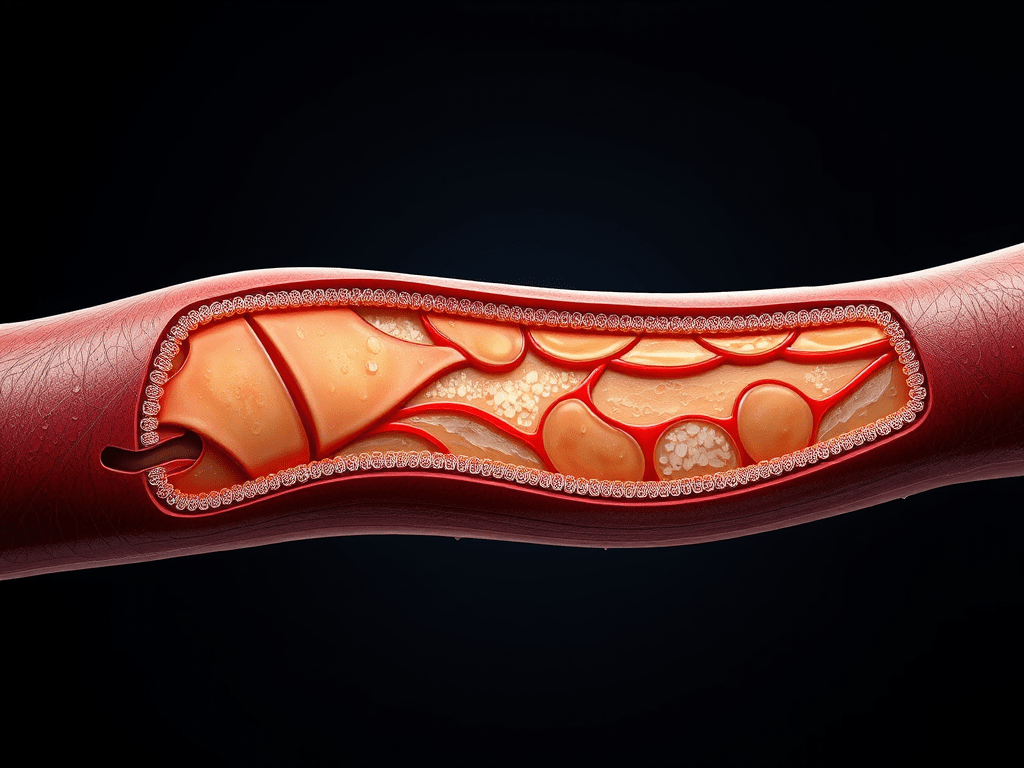
Atherosclerosis is a serious cardiovascular condition in which plaque builds up inside the arteries, causing them to narrow and harden. This reduced blood flow can lead to life-threatening complications such as heart attack, stroke, and peripheral artery disease. Atherosclerosis develops gradually and often remains undetected until severe damage occurs.
What is Atherosclerosis?
Atherosclerosis is a chronic inflammatory disease of the arteries. Plaque made up of cholesterol, fats, calcium, and cellular waste accumulates on artery walls. Over time, arteries lose their flexibility and become narrow, restricting oxygen-rich blood flow to organs.
Causes of Atherosclerosis
The condition develops due to damage to the inner lining of arteries. Major causes include:
1-High LDL (bad) cholesterol
2-High blood pressure
3-Smoking and tobacco use
4-Diabetes mellitus
5-Obesity
6-Chronic inflammation
7-Poor dietary habits
Risk Factors
Several factors increase the risk of developing atherosclerosis:
1-Family history of heart disease
2-Increasing age
3-Lack of physical activity
4-Excessive alcohol consumption
5-Stress and poor sleep
6-Diet high in saturated fats and trans fats
Symptoms of Atherosclerosis
Atherosclerosis often shows no symptoms in early stages. Symptoms vary depending on the affected arteries:
–Heart (Coronary Arteries)
Chest pain (angina)
Shortness of breath
Fatigue
–Brain (Carotid Arteries)
Sudden weakness or numbness
Difficulty speaking
Vision problems
Stroke
–Limbs (Peripheral Arteries)
Leg pain while walking
Cold feet
Slow-healing wounds
Kidneys
High blood pressure
Reduced kidney function
Complications
Untreated atherosclerosis may lead to:
1-Heart attack
2-Stroke
3-Heart failure
4-Peripheral artery disease
5-Sudden cardiac arrest
Diagnosis
Doctors may diagnose atherosclerosis using:
1-Blood tests (cholesterol and glucose levels)
2-Blood pressure monitoring
3-ECG and stress tests
4-Ultrasound or angiography
5-CT or MRI scans
Treatment Options
Treatment focuses on slowing disease progression and preventing complications.
1-Lifestyle Changes
2-Quit smoking
3-Maintain healthy body weight
4-Regular physical activity
5-Stress management
Medications
1-Statins to lower cholesterol
2-Blood pressure medications
3-Blood thinners
4-Diabetes management drugs
Medical Procedures
1-Angioplasty
2-Stent placement
3-Bypass surgery
Prevention of Atherosclerosis
Preventive strategies include:
1-Eating a heart-healthy diet
2-Limiting saturated and trans fats
3-Increasing fiber intake
4-Regular health checkups
5-Controlling blood sugar and blood pressure
Nutritional Support for Atherosclerosis:
Atherosclerosis is a condition characterized by the buildup of plaque in the arteries, leading to reduced blood flow and increased risk of heart attack and stroke. Along with medical treatment, proper nutrition plays a crucial role in slowing plaque formation, reducing inflammation, and improving overall cardiovascular health.
Role of Nutrition in Atherosclerosis
Diet directly affects cholesterol levels, blood pressure, blood sugar, and inflammation—all key contributors to atherosclerosis. A heart-healthy diet helps:
1-Lower LDL (bad cholesterol)
2-Increase HDL (good cholesterol)
3-Reduce arterial inflammation
4-Prevent plaque progression
5-Improve blood vessel function
Essential Nutrients for Atherosclerosis
- Dietary Fiber
Fiber helps reduce cholesterol absorption in the intestine.
Sources: Oats, barley, whole grains, fruits, vegetables, legumes
Benefit: Lowers LDL cholesterol and improves gut health - Omega-3 Fatty Acids
Omega-3s reduce inflammation and triglyceride levels.
Sources: Fatty fish (salmon, sardines), flaxseeds, chia seeds, walnuts
Benefit: Prevents plaque instability and supports heart health - Antioxidants
Antioxidants protect blood vessels from oxidative damage.
Sources: Berries, citrus fruits, green tea, leafy vegetables
Benefit: Slows progression of arterial damage - Plant Sterols and Stanols
These compounds block cholesterol absorption.
Sources: Nuts, seeds, whole grains, vegetable oils
Benefit: Reduces LDL cholesterol naturally - Healthy Fats
Replacing unhealthy fats with good fats improves lipid profile.
Sources: Olive oil, avocados, nuts, seeds
Benefit: Improves artery flexibility and lowers inflammation - Potassium and Magnesium
These minerals help control blood pressure.
Sources: Bananas, spinach, beans, nuts, seeds
Benefit: Reduces strain on artery walls
Foods to Include for Atherosclerosis
1-Whole grains (oats, brown rice, millet)
2-Fresh fruits and vegetables
3-Fatty fish (2–3 times/week)
4-Legumes (lentils, chickpeas, beans)
5-Nuts and seeds (in moderation)
6-Low-fat dairy products
Foods to Avoid or Limit
1-Saturated fats (butter, ghee in excess)
2-Trans fats (fried and packaged foods)
3-Refined carbohydrates
4-Excess sugar
5-High-sodium foods
6-Processed meats
Indian Diet Tips for Atherosclerosis
1-Use mustard oil or olive oil instead of refined oils
2-Include dal, sprouts, and curd regularly
3-Choose roti over maida-based products
4-Add turmeric, garlic, and ginger for anti-inflammatory benefits
5-Limit fried snacks and sweets
Lifestyle Tips Along with Nutrition
1-Eat small, balanced meals
2-Stay physically active
3-Maintain healthy weight
4-Quit smoking
5-Manage stress through yoga or meditation
Nutritional support is a cornerstone in the prevention and management of atherosclerosis. A diet rich in fiber, antioxidants, healthy fats, and essential minerals, combined with healthy lifestyle choices, can significantly slow disease progression and protect heart health.
 NUTRITIOUS_PHONICS
Leave a comment