Arthritis is a common joint disorder that causes pain, stiffness, swelling, and reduced movement. It can affect people of all ages, but it is more common in older adults. Arthritis can significantly impact daily activities and quality of life if not managed properly. Early diagnosis and proper lifestyle management play a key role in controlling symptoms.
What is Arthritis?
Arthritis refers to inflammation of one or more joints. Joints are the areas where two bones meet, allowing movement. When these joints become inflamed, it leads to pain, stiffness, and discomfort.
Types of Arthritis
There are more than 100 types of arthritis. The most common ones include:
- Osteoarthritis
-Caused by wear and tear of joints
-Common in knees, hips, spine, and hands
-More frequent in older adults - Rheumatoid Arthritis
-An autoimmune disease
-The immune system attacks joint tissues
-Causes swelling, pain, and joint deformity - Gout
-Caused by excess uric acid in the blood
-Often affects the big toe
-Sudden and severe pain episodes - Psoriatic Arthritis
-Associated with psoriasis
-Affects skin and joints
Common Symptoms of Arthritis
-Joint pain
-Stiffness (especially in the morning)
-Swelling around joints
-Reduced range of motion
-Redness and warmth in joints
-Fatigue (in inflammatory arthritis)
Causes and Risk Factors
-Aging
-Genetic factors
-Obesity
-Joint injuries
-Autoimmune disorders
-Poor posture and inactive lifestyle
Diagnosis of Arthritis
Arthritis is diagnosed through:
-Physical examination
-Medical history
-Blood tests
-X-rays, MRI, or ultrasound
Management and Treatment of Arthritis
Although arthritis cannot always be cured, symptoms can be effectively managed through:
1-Lifestyle Changes
2-Regular low-impact exercise
3-Weight management
4-Balanced diet
5-Adequate rest
6-Medical Treatment
7-Pain relievers and anti-inflammatory medicines
8-Disease-modifying drugs (for rheumatoid arthritis)
9-Physical therapy
10-in severe cases, surgery
Prevention Tips
-Maintain a healthy weight
-Stay physically active
-Avoid joint injuries
-Eat an anti-inflammatory diet
-Manage stress
Nutritional Support for Arthritis
Nutrition plays an important role in managing arthritis symptoms such as joint pain, stiffness, and inflammation. A well-balanced, anti-inflammatory diet can help reduce discomfort, improve joint mobility, and support overall joint health. While nutrition cannot cure arthritis, it can significantly improve quality of life.
Importance of Nutrition in Arthritis
Certain foods help reduce inflammation and support cartilage health, while others may worsen joint pain. Choosing the right foods helps:
-Reduce joint inflammation
-Improve bone and cartilage strength
-Maintain a healthy weight
-Support immune function
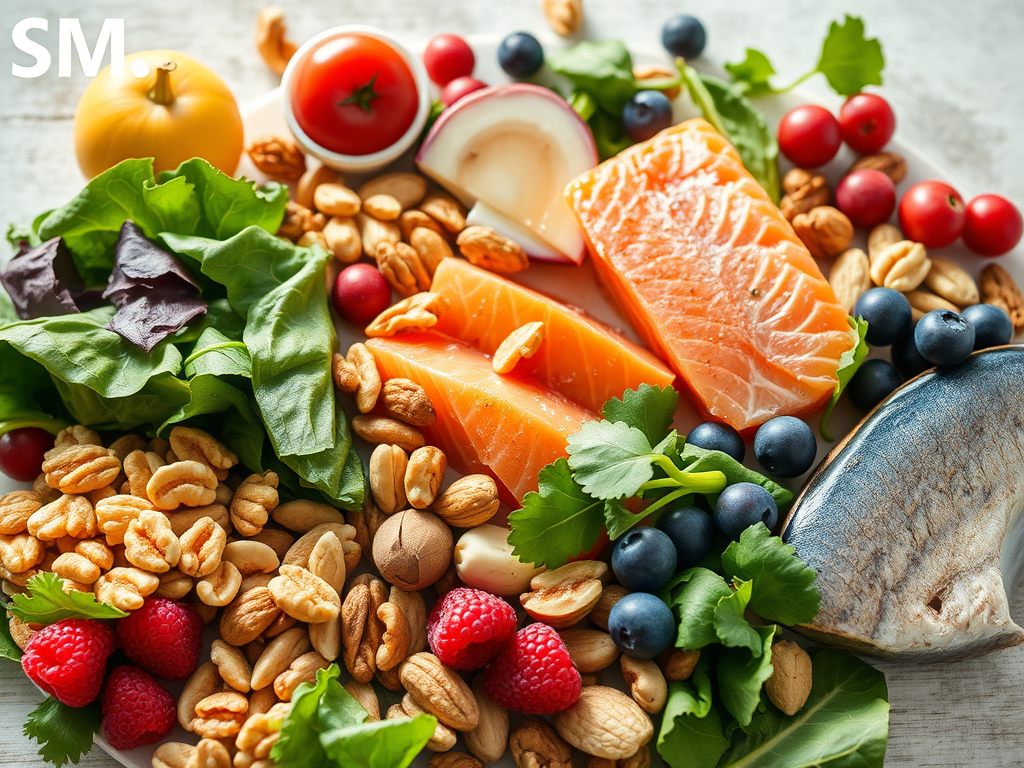
Best Foods for Arthritis - Anti-inflammatory foods
- Fatty fish(salmon, sardines,mackerel)
- Fruits and Vegetables
Berries (blueberries, strawberries)
Oranges, lemons
Spinach, kale, broccoli - Whole Grains
Brown rice
Oats
Whole wheat - Healthy Fats
Olive oil
Avocados
Nuts and seeds - Calcium-Rich Foods
Milk and curd
Paneer
Ragi and sesame seeds
Key Nutrients for Arthritis
Omega-3 Fatty Acids
Help reduce inflammation and joint pain.
Vitamin D
Supports bone strength and reduces stiffness.
Calcium
Essential for bone health and preventing joint damage.
Antioxidants
Protect joints from oxidative stress.
Foods to Limit or Avoid
Fried and processed foods
Excess sugar
Refined carbohydrates
Excess salt
Red and processed meats
Hydration and Arthritis
Drinking enough water helps maintain joint lubrication and reduces stiffness. Aim for at least 8–10 glasses of water daily.
Role of Weight Management
Excess body weight increases pressure on joints, especially knees and hips. A healthy diet combined with physical activity helps reduce joint stress.
Indian Diet Tips for Arthritis
Start the day with warm water
Use turmeric and ginger in cooking
Prefer steamed, boiled, or sautéed foods
Include seasonal fruits and vegetables
Nutritional support is a powerful tool in managing arthritis. A diet rich in anti-inflammatory foods, essential nutrients, and adequate hydration can help reduce pain, improve joint function, and enhance overall well-being. Consistency in healthy eating habits is key to long-term joint health.
 NUTRITIOUS_PHONICS
Leave a comment