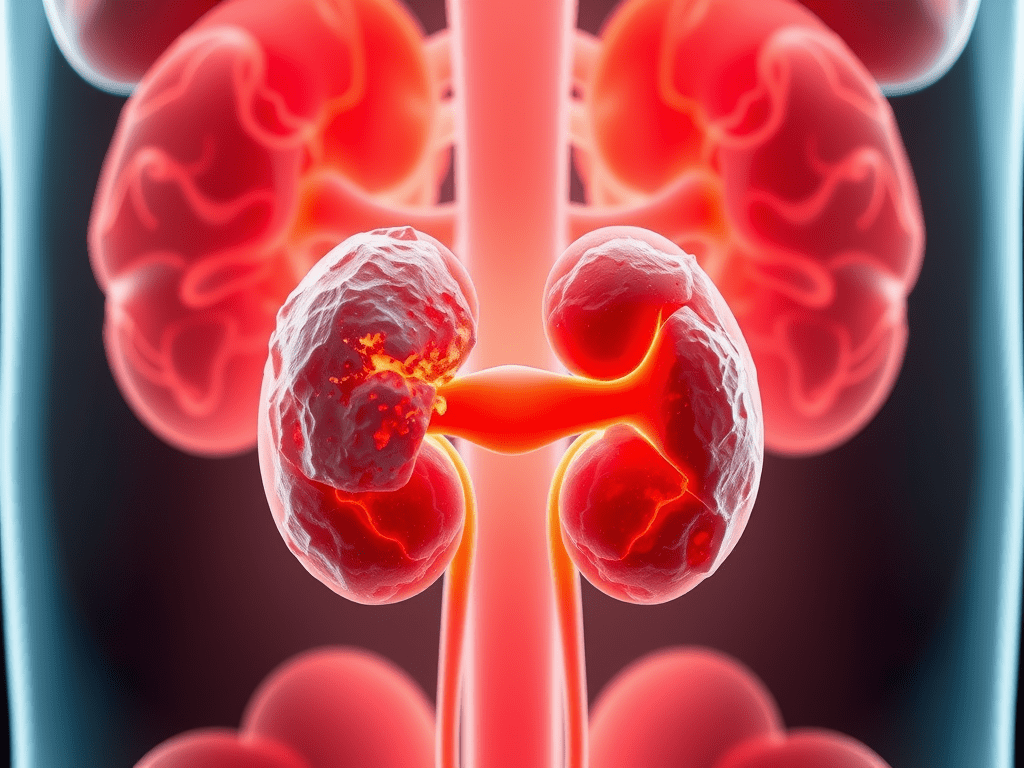
Kidney stones are hard mineral deposits that form in the kidneys and cause severe pain. Learn about kidney stones causes, symptoms, types, treatment, and diet.
What Are Kidney Stones?
Kidney stones, also known as renal calculi, are hard deposits of minerals and salts that form inside the kidneys. They develop when urine becomes concentrated, allowing minerals to crystallize and stick together. Kidney stones can affect any part of the urinary tract and may cause intense pain when they move through the ureter.
Types of Kidney Stones
Understanding the type of kidney stone helps in prevention and treatment.
- Calcium Stones
-Most common type
-Usually made of calcium oxalate
-Linked to high oxalate foods, dehydration, and metabolic disorders - Uric Acid Stones
-Formed due to high uric acid levels
-Common in people with gout or high protein intake - Struvite Stones
-Associated with urinary tract infections
-Can grow rapidly and become large - Cystine Stones
-Rare and genetic
-Occur due to a hereditary disorder called cystinuria
Causes of Kidney Stones
Kidney stones form due to several factors, including:
1-Inadequate water intake
2-High salt and protein diet
3-Excess oxalate-rich foods
4-Obesity
5-Digestive diseases and surgery
6-Certain medications
7-Family history of kidney stones
Symptoms of Kidney Stones
Symptoms vary depending on stone size and location. Common symptoms include:
1-Severe pain in the back, side, or lower abdomen
2-Pain radiating to the groin
3-Painful or frequent urination
4-Blood in urine
5-Cloudy or foul-smelling urine
Nausea and vomiting
6-Fever and chills (if infection is present)
Diagnosis of Kidney Stones
Kidney stones are diagnosed through:
1-Ultrasound
2-CT scan
3-Urine analysis
4-Blood tests
5-Stone analysis after passage
Treatment Options for Kidney Stones
Treatment depends on the size and type of the stone.- –Small Stones
1-Increased fluid intake
2-Pain-relieving medications
3-Alpha blockers to help stone passage
- –Small Stones
–Large or Complicated Stones
1-Shock wave lithotripsy
2-Ureteroscopy
3-Percutaneous nephrolithotomy
4-Surgical removal (rare cases)
Lifestyle Measures for Kidney Stone Prevention
1-Regular physical activity
2-Timely management of UTIs
3-Avoid prolonged dehydration
4-Regular medical follow-ups for recurrent stone formers
Complications of Kidney Stones
If left untreated, kidney stones can lead to:
1-Recurrent urinary tract infections
2-Kidney damage
3-Urinary obstruction
4-Reduced kidney function
Nutritional Support for Kidney Stones
Nutritional support plays a key role in preventing kidney stones. Learn the best diet, foods to eat and avoid, and nutrition tips for kidney stone management.
Role of Nutrition in Kidney Stone Management
Nutrition is one of the most important factors in both the prevention and management of kidney stones. Kidney stones form when urine becomes concentrated with minerals such as calcium, oxalate, uric acid, or cystine. A well-planned diet helps dilute urine, reduces stone-forming substances, and prevents recurrence.
Importance of Hydration
Adequate fluid intake is the cornerstone of kidney stone prevention.
Recommendations:
1-Drink 2.5–3 liters of water per day
2-Aim for pale yellow urine
3-Include lemon water or citrus juices (natural source of citrate)
Treatment Options for Kidney Stones
Treatment depends on the size and type of the stone.
- Calcium Oxalate Stones (Most Common)
Include:
-Adequate dietary calcium (milk, curd, paneer – low fat)
-Fruits rich in citrate (lemon, orange)
-Whole grains
Limit:
-Oxalate-rich foods (spinach, beetroot, nuts, chocolate)
-Excess vitamin C supplements
-High salt intake - Uric Acid Stones
Include:
-Alkalizing foods (fruits, vegetables)
-Low-fat dairy
Limit:
-Red meat
-Organ meat
-Seafood (in excess)
-High-protein diets - Struvite Stones
-Focus on infection control
-Maintain hydration
-Balanced nutrition to support immunity - Cystine Stones
-Very high fluid intake
-Reduced sodium intake
-Medical supervision essential
Foods to Include for Kidney Stones
1-Water and fluids
2-Citrus fruits (lemon, mosambi, orange)
3-Whole grains (brown rice, oats)
4-Vegetables (except high-oxalate ones)
5-Low-fat dairy products
6-Lean protein (pulses, tofu, egg whites)
Foods to Avoid or Limit
1-Excess salt and salty snacks
2-Processed and packaged foods
3-Sugary beverages and cola
4-High-oxalate foods
5-Excess animal protein
Key Dietary Guidelines
1-Spread fluid intake throughout the day
2-Avoid dehydration, especially in hot weather
3-Reduce sodium to less than 5 g salt/day
4-Avoid crash dieting and extreme weight loss
5-Do not eliminate calcium unless advised by a doctor
Sample Kidney Stone-Friendly Diet Plan
Early Morning: Warm water with lemon-1 glass
Breakfast: Veg Oats-1 bowl(medium) + curd(low fat)-1 bowl(small)
Mid-Morning: Coconut water or fruit-1
Lunch: Roti-2/brown rice-1 bowl, dal1 bowl(medium), vegetable sabzi, salad-1 bowl(medium)
Evening Snack: Roasted chana-1 bowl(small) , green tea-1 cup
Dinner: Light meal with vegetables and lean protein-1 bowl(medium)
Nutritional Goals in Kidney Stone Prevention
1-Dilute urine
2-Reduce mineral crystallization
3-Maintain optimal urine pH
4-Prevent recurrence
5-Support kidney health
Nutritional support is essential in the management and prevention of kidney stones. Adequate hydration, balanced calcium intake, reduced sodium, and mindful food choices can significantly lower the risk of kidney stone formation. Individualized dietary planning based on stone type provides the best long-term results
 NUTRITIOUS_PHONICS
Leave a comment