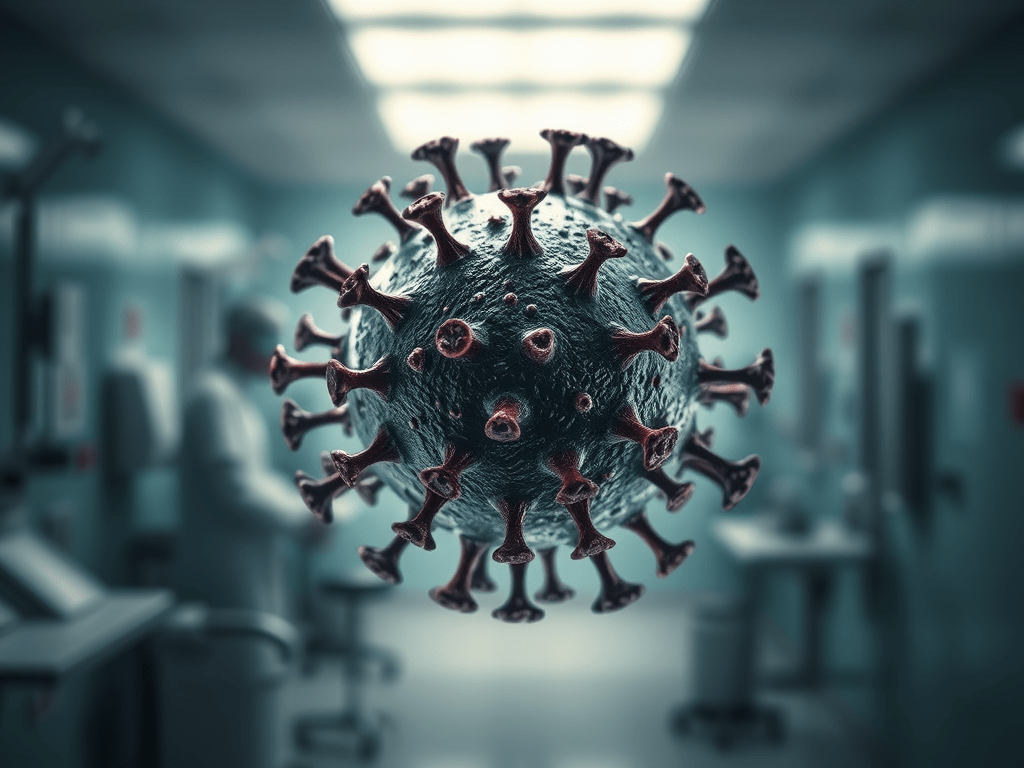
COVID-19 (Coronavirus Disease 2019) is a contagious respiratory illness caused by the SARS-CoV-2 virus. Since its emergence in late 2019, COVID-19 has affected millions of people worldwide and continues to be a major public health concern. Understanding its causes, symptoms, prevention, and management is essential for protecting individual and community health.
What is COVID-19?
COVID-19 is an infectious disease that primarily affects the respiratory system but can also impact the heart, kidneys, brain, and digestive system. The severity of the disease ranges from mild symptoms to severe illness and death, especially in high-risk individuals.
Causes of COVID-19
COVID-19 is caused by the novel coronavirus SARS-CoV-2. The virus spreads mainly through:
1-Respiratory droplets from coughing, sneezing, or talking
Close contact with an infected person
2-Touching contaminated surfaces and then touching the face
Symptoms of COVID-19
Symptoms usually appear 2 to 14 days after exposure.
Common Symptoms
1-Fever
2-Dry cough
3-Fatigue
4-Sore throat
5-Body aches
Other Symptoms
1-Loss of taste or smell
2-Headache
3-Nasal congestion
4-Diarrhea or nausea
Severe Symptoms
1-Difficulty breathing
2-Chest pain or pressure
3-Confusion
4-Bluish lips or face
Risk Factors
People at higher risk of severe COVID-19 infection include:
Elderly individuals
People with diabetes, hypertension, heart disease, or lung disease
Obese individuals
People with weak immune systems
Diagnosis of COVID-19
COVID-19 is diagnosed using:
1-RT-PCR test (gold standard)
2-Rapid antigen test
3-Chest X-ray or CT scan in severe cases
Treatment of COVID-19
There is no specific cure for COVID-19, but treatment focuses on relieving symptoms and preventing complications:
1-Rest and adequate fluid intake
2-Fever and pain control medications
3-Oxygen therapy for breathing difficulty
4-Antiviral and supportive medications as prescribed by a doctor
Note: Antibiotics are not effective against viral infections unless there is a secondary bacterial infection.
Prevention of COVID-19
Preventive measures play a crucial role in controlling the spread of COVID-19:
1-Wearing masks in crowded or closed spaces
2-Frequent handwashing with soap or sanitizer
3-Maintaining physical distance
4-Avoiding large gatherings
5-Following respiratory hygiene
6-COVID-19 Vaccination
COVID-19 vaccines are safe and effective in reducing the severity of illness, hospitalization, and death. Vaccination is strongly recommended according to national health guidelines, including booster doses when advised.
Complications and Long COVID
Some people may experience long-term effects after recovery, known as Long COVID, which may include:
1-Chronic fatigue
2-Shortness of breath
4-Memory and concentration problems
5-Joint and muscle pain
Nutritional Support for COVID-19
Proper nutrition plays a vital role in supporting the immune system during COVID-19 infection and recovery. While nutrition cannot cure COVID-19, a balanced diet helps reduce disease severity, supports faster recovery, and prevents complications, especially in vulnerable individuals.
Importance of Nutrition in COVID-19
During COVID-19, the body requires additional energy and nutrients to fight infection and repair tissues. Poor nutritional status can weaken immunity, delay recovery, and increase the risk of severe illness.
Energy and Protein Requirements
COVID-19 increases metabolic demand, making adequate calorie and protein intake essential.
Protein-Rich Foods
Protein supports immune function and muscle maintenance:
1-Pulses and legumes (dal, rajma, chana)
2-Milk, curd, paneer
3-Eggs
4-Fish and lean chicken
5-Soy products and nuts
6-Aim for high-quality protein at every meal.
Key Vitamins for COVID-19 Recovery
Vitamin C
Boosts immunity and helps fight infections. Sources: Amla, citrus fruits, guava, kiwi, bell peppers
Vitamin D
Supports immune response and lung health. Sources: Sunlight, fortified milk, egg yolk, mushrooms
Vitamin A
Maintains respiratory tract health. Sources: Carrots, pumpkin, spinach, green leafy vegetables
B-Complex Vitamins
Help in energy production and immune cell function. Sources: Whole grains, bananas, nuts, seeds, dairy products
Essential Minerals
Zinc
Plays a key role in immune defense and wound healing. Sources: Seeds, nuts, whole grains, legumes
Iron
Prevents anemia and supports oxygen transport. Sources: Green leafy vegetables, dates, jaggery, lentils
Selenium
Acts as an antioxidant and supports immunity. Sources: Brazil nuts, sunflower seeds, whole grains
Hydration
Adequate fluid intake is crucial, especially during fever.
Water
1-Coconut water
2-Lemon water
3-Herbal teas
4-Clear soups
Avoid sugary drinks and excess caffeine.
Role of Antioxidants
Antioxidants help reduce inflammation and oxidative stress caused by viral infection. Sources: Berries, turmeric, ginger, garlic, green tea
Gut Health and Probiotics
A healthy gut improves immune response. Probiotic foods: Curd, buttermilk, fermented foods
Prebiotic foods: Banana, oats, garlic, onion
Nutrition During Recovery and Long COVID
Post-COVID recovery requires:
1-High-protein meals
2-Small, frequent meals if appetite is low
3-Adequate micronutrients
4-Gentle physical activity
Foods to Avoid During COVID-19
1-Ultra-processed foods
2-Excess sugar and salt
3-Fried and junk foods
4-Alcohol and smoking
Special Considerations
1-Diabetics should monitor blood sugar levels
2-Elderly individuals may need nutrient-dense soft foods
3-Supplements should be taken only under medical guidance
Nutritional support is a crucial part of COVID-19 management and recovery. A balanced diet rich in proteins, vitamins, minerals, fluids, and antioxidants strengthens immunity, supports healing, and improves overall outcomes.
COVID-19 Symptoms and Prevention Measures Explained
 NUTRITIOUS_PHONICS
Leave a comment