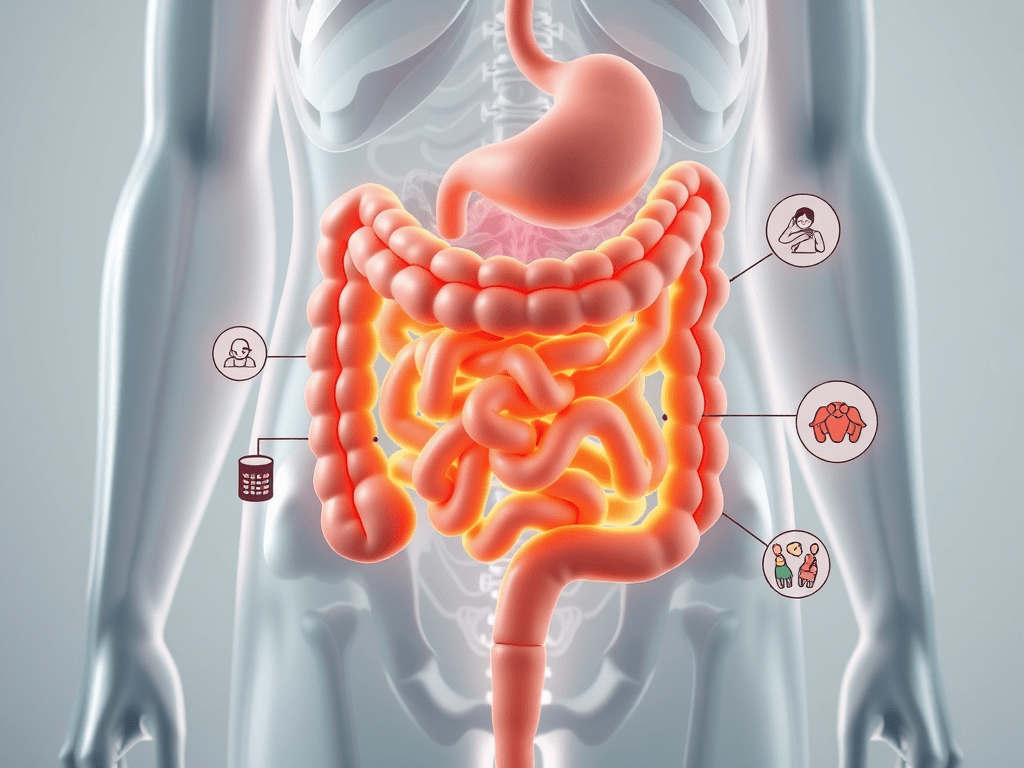
Irritable Bowel Syndrome (IBS) is a common functional gastrointestinal disorder that affects the large intestine. It is characterized by chronic abdominal discomfort and altered bowel habits without any identifiable structural disease. IBS significantly impacts quality of life but can be effectively managed with lifestyle and dietary modifications.
What Is Irritable Bowel Syndrome (IBS)?
Irritable Bowel Syndrome is a chronic digestive disorder that affects how the intestines function. Unlike inflammatory bowel diseases, IBS does not cause permanent damage to the intestines but leads to recurring digestive symptoms.
Causes of IBS
The exact cause of IBS is unknown, but several factors may contribute:
1-Abnormal gut–brain interaction
2-Intestinal muscle contractions
3-Increased gut sensitivity
4-Altered gut microbiota
5-Stress, anxiety, and emotional factors
6-Food intolerances and dietary triggers
Types of Irritable Bowel Syndrome
IBS is classified based on bowel movement patterns:
1-IBS-C: Constipation-predominant
2-IBS-D: Diarrhea-predominant
3-IBS-M: Mixed bowel habits
4-IBS-U: Unclassified IBS
Symptoms of IBS
Common symptoms include:
1-Abdominal pain or cramping
2-Bloating and gas
3-Diarrhea, constipation, or both
4-Mucus in stool
6-Feeling of incomplete bowel evacuation
Symptoms worsen during stress or after meals
Diagnosis of IBS
IBS is diagnosed based on:
1-Symptom history (Rome IV criteria)
2-Exclusion of other gastrointestinal diseases
3-Basic blood and stool tests when required
Treatment of Irritable Bowel Syndrome
There is no single cure for IBS, but symptoms can be managed through:
1-Dietary modifications
2-Stress management
3-Medications (as prescribed)
4-Probiotics and fiber supplements
When to See a Doctor
Consult a healthcare professional if symptoms include:
1-Unexplained weight loss
2-Blood in stool
3-Persistent vomiting
4-Severe abdominal pain
Nutritional Support for Irritable Bowel Syndrome (IBS)
Irritable Bowel Syndrome (IBS) is a functional gastrointestinal disorder characterized by abdominal pain, bloating, gas, and altered bowel habits. While IBS has no single cure, nutrition plays a key role in managing symptoms.
Importance of Nutrition in IBS Management
Dietary triggers vary from person to person in IBS. Identifying and managing these triggers through a structured diet plan helps reduce flare-ups, regulate bowel movements, and improve digestive comfort.
Key Nutritional Strategies for IBS
Low FODMAP Diet
Reduces fermentable carbohydrates that trigger bloating and gas.
Avoid foods like onions, garlic, wheat, milk, apples, and beans initially.
Adequate Fiber Intake
Soluble fiber (oats, psyllium husk, bananas) is beneficial.
Avoid excessive insoluble fiber during flare-ups.
Probiotics
Yogurt, curd, kefir, and fermented foods may help improve gut flora.
- Low FODMAP Diet (Core IBS Strategy)
FODMAPs are fermentable carbohydrates that can worsen IBS symptoms.
Foods to limit (initial phase):
Onions, garlic
Wheat and refined bakery items
Milk and soft cheese (lactose)
Apples, pears, mango
Beans, lentils, and artificial sweeteners
Low-FODMAP alternatives:
Rice, oats, quinoa
Lactose-free milk, curd
Banana, papaya, berries
Carrots, spinach, zucchini - Fiber Management (Type-Specific)
Soluble fiber is beneficial: oats, psyllium husk (isabgol), chia seeds, banana
Avoid excess insoluble fiber (bran, raw salads) during flare-ups
IBS-C: Gradually increase soluble fiber
IBS-D: Avoid excess fiber during diarrhea episodes - Probiotics for Gut Health
Probiotics help restore healthy gut bacteria and reduce bloating.
Include curd, yogurt, buttermilk, kefir, or clinically recommended probiotic supplements. - Hydration and Fluids 💧
Drink adequate water throughout the day.
Herbal teas like peppermint, ginger, chamomile may help relieve cramps. - Protein Sources for IBS
Choose easily digestible proteins:
1-Eggs
2-Paneer and tofu
3-Fish and lean chicken
Well-cooked dals (as tolerated)
Foods to Avoid in IBS 🚫
1-Caffeine and alcohol
2-Fried, fatty, and spicy foods
3-Carbonated drinks
4-Artificial sweeteners (sorbitol, mannitol)
5-Highly processed foods
Meal Pattern and Eating Habits
1-Eat small, frequent meals
2-Avoid long gaps between meals
3-Chew food slowly
4-Avoid overeating
Lifestyle Support Along with Nutrition
1-Manage stress through yoga, meditation, or breathing exercises
2-Maintain regular sleep patterns
3-Engage in moderate physical activity
When to Seek Medical Advice
Consult a healthcare professional if IBS symptoms are accompanied by:
1-Unexplained weight loss
2-Blood in stool
3-Persistent vomiting
4-Severe abdominal pain
Nutritional support is a cornerstone of IBS management. A low FODMAP diet, proper fiber selection, probiotic support, and mindful eating habits can significantly reduce symptoms and improve gut health. Personalized nutrition plans work best for long-term IBS control.
 NUTRITIOUS_PHONICS
Leave a comment