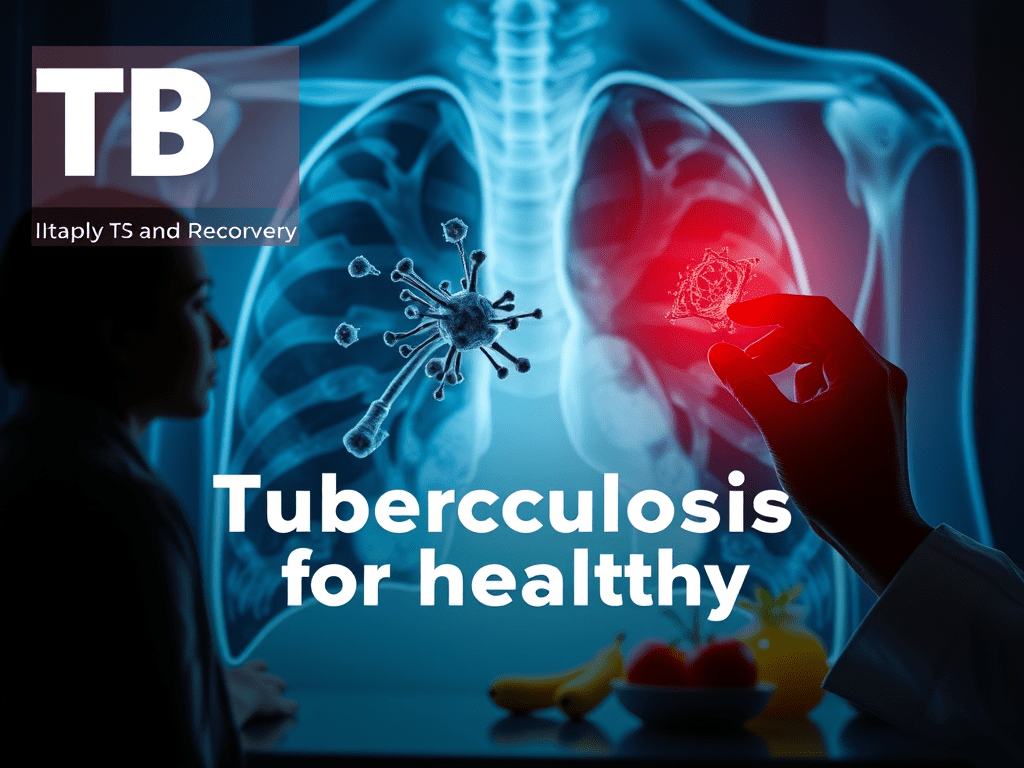
Tuberculosis (TB) is a contagious infectious disease caused by the bacterium Mycobacterium tuberculosis. It mainly affects the lungs (pulmonary TB) but can also involve other organs such as the brain, spine, kidneys, and lymph nodes (extrapulmonary TB). TB remains a major public health concern, especially in developing countries.
What Is Tuberculosis?
Tuberculosis spreads through the air when an infected person coughs, sneezes, or talks. Not everyone infected with TB bacteria becomes sick. Some people develop latent TB, where the bacteria remain inactive, while others develop active TB disease, which requires immediate medical treatment.
Causes of Tuberculosis
TB is caused by Mycobacterium tuberculosis. The risk of developing active TB increases due to:
1-Weak immune system
2-Malnutrition
3-HIV/AIDS
4-Diabetes
5-Smoking and alcohol abuse
6-Poor living conditions and overcrowding
Types of Tuberculosis
1-Pulmonary TB: Affects the lungs (most common form)
2-Extrapulmonary TB: Affects organs other than lungs (lymph nodes, bones, brain, kidneys)
3-Latent TB Infection: Bacteria present but no symptoms
4-Active TB Disease: Bacteria active with symptoms and contagious
Symptoms of Tuberculosis
Common symptoms of TB include:
1-Persistent cough lasting more than 2–3 weeks
2-Coughing up blood (hemoptysis)
3-Fever and night sweats
4-Unexplained weight loss
5-Loss of appetite
6-Fatigue and weakness
7-Chest pain or difficulty breathing
Diagnosis of Tuberculosis
TB is diagnosed using:
1-Sputum smear and culture
2-Chest X-ray
3-Molecular tests (CBNAAT / GeneXpert)
4-Tuberculin skin test or IGRA (for latent TB)
Treatment of Tuberculosis
TB is treated with a combination of anti-tubercular drugs (ATT) for 6–9 months or longer, depending on the type and severity. Completing the full course of treatment is essential to prevent drug resistance.
Prevention of Tuberculosis
1-BCG vaccination in childhood
2-Early diagnosis and treatment
3-Good ventilation and sunlight exposure
4-Wearing masks and covering mouth while coughing
5-Proper nutrition to strengthen immunity
Complications of Untreated TB
If left untreated, TB can cause:
1-Severe lung damage
2-Spread to other organs
3-Drug-resistant TB
Death in severe cases
When to See a Doctor
Consult a healthcare professional if you experience:
1-Chronic cough
2-Fever with weight loss
3-Night sweats
4-Contact with a TB-infected person
Nutritional Support-Proper nutrition plays a crucial role in the treatment and recovery of Tuberculosis (TB). TB weakens the immune system, causes weight loss, muscle wasting, and nutrient deficiencies. Along with anti-tubercular drug therapy, nutritional support is essential to improve immunity, speed recovery, and prevent complications.
Importance of Nutrition in TB Recovery
Tuberculosis increases the body’s energy and protein requirements due to infection, inflammation, and tissue repair. Poor nutrition can delay healing, weaken immunity, and increase the risk of complications and relapse. A balanced, nutrient-rich diet supports better treatment outcomes.
Key Nutritional Requirements in Tuberculosis
- High-Calorie Diet
TB patients often experience weight loss and fatigue.
Include calorie-dense healthy foods like whole grains, rice, millets, potatoes, nuts, seeds, oils, ghee (in moderation).
Frequent small meals help meet calorie needs. - High-Protein Intake 🥚
Protein is essential for tissue repair and immune function.
Sources: pulses, lentils, eggs, milk, curd, paneer, soy, tofu, fish, lean meat.
Include protein in every meal. - Micronutrient Support
Iron
Prevents anemia and supports oxygen transport.
Sources: green leafy vegetables, dates, jaggery, legumes, meat.
Zinc
Supports immune function and wound healing.
Sources: nuts, seeds, whole grains, dairy, legumes.
Vitamin A
Strengthens immunity and lung health.
Sources: carrots, pumpkin, spinach, dairy, eggs.
Vitamin C
Improves immunity and iron absorption.
Sources: amla, citrus fruits, guava, tomatoes, berries.
B-Complex Vitamins
Support energy metabolism and nerve health (important during TB medication).
Sources: whole grains, pulses, eggs, milk, green vegetables. - Healthy Fats
Required for energy and vitamin absorption.
Include nuts, seeds, plant oils, butter, ghee (in moderation). - Adequate Hydration 💧
Water helps detoxification and nutrient transport.
Include soups, fluids, coconut water, and herbal teas.
Foods to Avoid During TB Treatment 🚫
1-Alcohol (interferes with TB medications and liver health)
2-Smoking and tobacco
3-Highly processed foods
4-Excess sugar and junk food
Nutritional Tips for TB Patients
1-Eat small, frequent meals if appetite is low.
2-Maintain meal timing discipline.
3-Focus on food hygiene and safety.
4-Avoid self-medication and unverified supplements.
5-Follow doctor-prescribed TB treatment strictly.
Nutritional support is a vital part of tuberculosis management. A high-calorie, high-protein, micronutrient-rich diet strengthens immunity, supports healing, and improves treatment success. Combined with proper medication and medical supervision, nutrition significantly enhances recovery and quality of life in TB patients
 NUTRITIOUS_PHONICS
Leave a comment