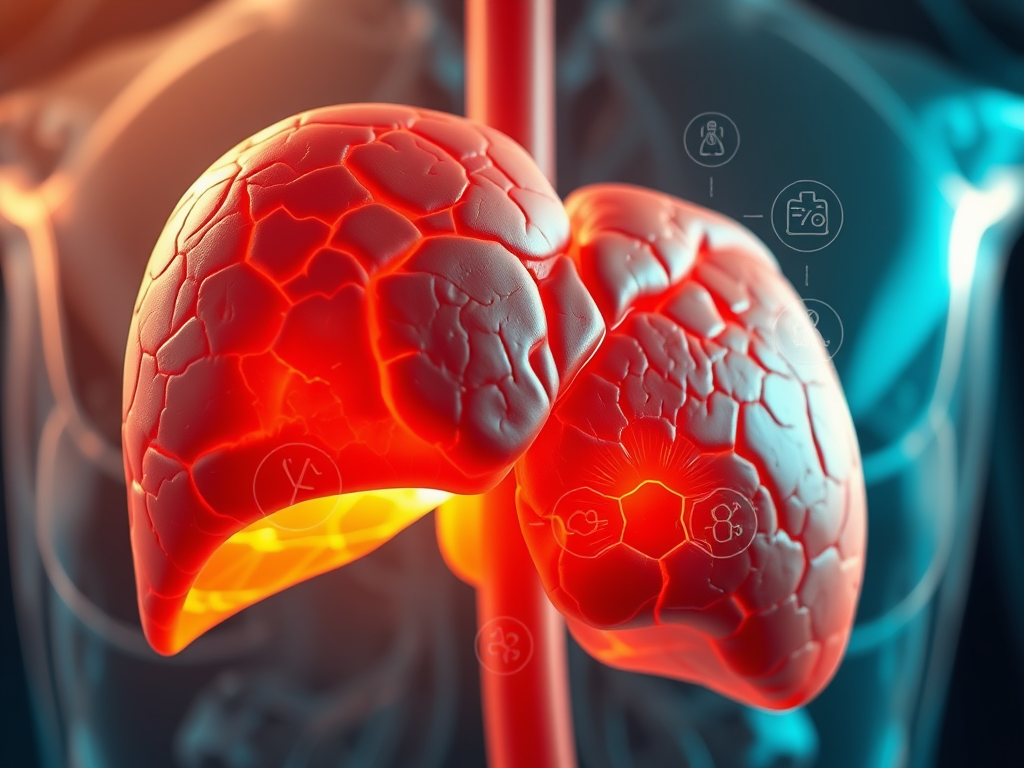
Cirrhosis of the liver is a chronic liver disease in which healthy liver cells are gradually replaced by scar tissue. This scarring disrupts normal liver function, affecting metabolism, detoxification, and digestion. Liver cirrhosis develops slowly over years and can become life-threatening if not diagnosed and managed early.
What is Cirrhosis?
Cirrhosis occurs when long-term liver damage leads to fibrosis and permanent scarring. As cirrhosis progresses, blood flow through the liver is reduced, impairing its ability to perform vital functions such as protein synthesis, toxin removal, and bile production.
Causes of Liver Cirrhosis
Common causes of cirrhosis include:
1-Chronic alcohol consumption
2-Viral hepatitis B and C
3-Non-alcoholic fatty liver disease (NAFLD)
4-Autoimmune liver diseases
5-Long-term liver infections
6-Prolonged use of hepatotoxic drugs or exposure to toxins
Risk Factors
1-Excessive alcohol intake
2-Obesity and metabolic syndrome
3-Diabetes mellitus
4-Chronic viral infections
5-Family history of liver disease
Signs and Symptoms of Cirrhosis
In early stages, cirrhosis may be asymptomatic. As the disease advances, symptoms include:
1-Fatigue and weakness
2-Loss of appetite and weight loss
3-Nausea and vomiting
4-Jaundice (yellowing of skin and eyes)
5-Swelling of legs and abdomen (edema and ascites)
6-Easy bruising and bleeding
7-Confusion or memory problems (hepatic encephalopathy)
Diagnosis of Cirrhosis
Cirrhosis is diagnosed using a combination of:
1-Medical history and physical examination
2-Blood tests (liver function tests)
3-Imaging studies such as ultrasound, CT scan, or MRI
4-Liver biopsy in selected cases
Early diagnosis helps slow disease progression and prevent complications.
Complications of Liver Cirrhosis
If left untreated, cirrhosis can lead to serious complications such as:
1-Portal hypertension
2-Ascites (fluid accumulation in the abdomen)
3-Variceal bleeding
4-Hepatic encephalopathy
5-Increased risk of liver cancer (hepatocellular carcinoma)
Treatment and Management of Cirrhosis
There is no complete cure for cirrhosis, but treatment aims to control the underlying cause and prevent further liver damage.
1-Complete avoidance of alcohol
2-Antiviral treatment for hepatitis
3-Medications to manage symptoms and complications
4-Regular medical follow-up and monitoring
5-Liver transplantation in advanced stages
Prevention of Liver Cirrhosis
1-Limit or avoid alcohol consumption
2-Get vaccinated against hepatitis B
3-Maintain a healthy body weight
4-Follow a balanced, liver-friendly diet
5-Regular health check-ups and early screening
Nutritional Support for Cirrhosis of the Liver
Nutritional support plays a vital role in the management of liver cirrhosis. Cirrhosis often leads to malnutrition due to poor appetite, altered metabolism, and impaired digestion. A well-planned diet helps maintain nutritional status, reduce complications, and improve quality of life.
Goals of Nutritional Management
1-Prevent and treat malnutrition
2-Maintain muscle mass and strength
3-Reduce fluid retention and ascites
4-Support liver function
5-Improve immunity and overall health
6-Energy and Calorie Requirements
7-Patients with cirrhosis require adequate calories to prevent muscle wasting.
8-Small, frequent meals are recommended
9-Include a bedtime snack rich in complex carbohydrates
10-Avoid long periods of fasting
Protein Intake in Cirrhosis
1-Protein is essential to prevent muscle loss.
2–Moderate protein intake
 NUTRITIOUS_PHONICS
Leave a comment